
Recently, I have seen a dozen variations of the same claim online: "the healthiest meat you can eat is bison and the least healthy meat you can eat is a conventional hot dog." They similarly stake wild caught salmon against farm-raised salmon, etc, etc..
It is true, bison is naturally lean, high in protein, and nutrient-dense. Compared with beef, it is generally lower in total fat and saturated fat, while still providing meaningful amounts of iron, zinc and vitamin B12. So there are plenty of good nutritional reasons to eat bison.
As my friend Matt Skoglund, says "it's the how, not the cow". Meaning, how an animal is raised has a lot to do with the quality of the meat.
How an animal is raised matters. How much it moves matters. What it eats matters.
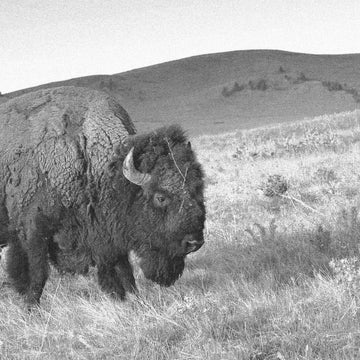
When bison are allowed to move across the landscape, whether free-ranging or rotationally grazed, they naturally eat a diverse diet of grasses, forbs and other plants.
Depending on where they live and the time of year, that can mean everything from native grasses and sedges to clover, sagebrush and other broadleaf plants. As the available forage changes with the seasons, so does what they eat.
A diverse diet is good for the animal, and ultimately, good for the meat.
So yes, there are good reasons to choose bison over beef. But there's another question worth asking:
How was the animal raised?
And one of the reasons I have been so drawn to bison over the years is because they are so adept at living on the landscape. Bison are the original grazing bovines of the North American landscape and are built to thrive here. Raising bison on pasture in the Western U.S. allows them to live and eat in a way that comes naturally to them.
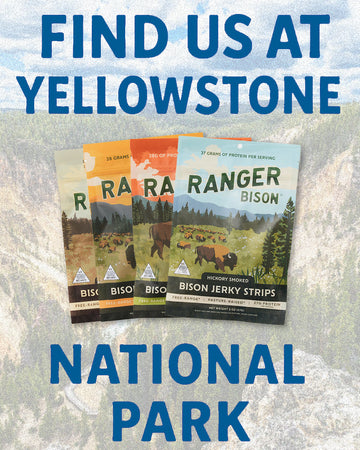
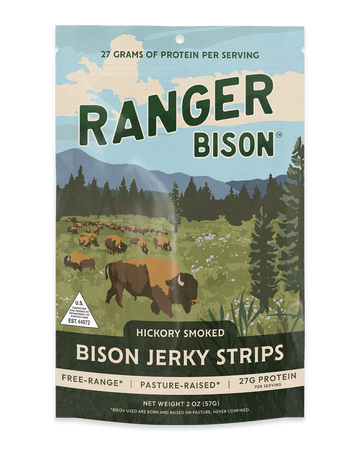
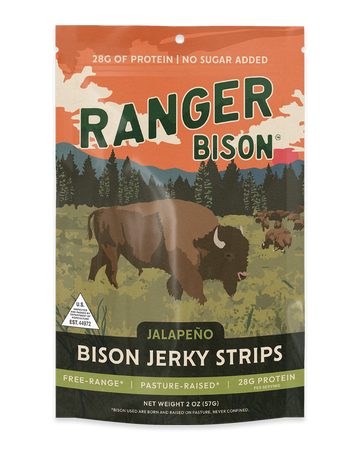
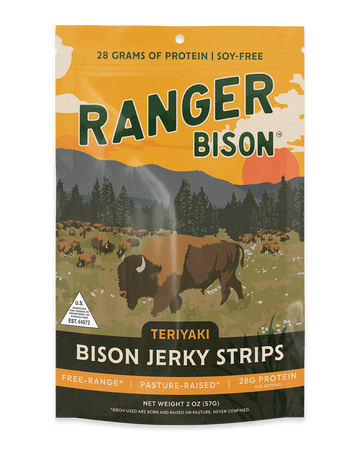
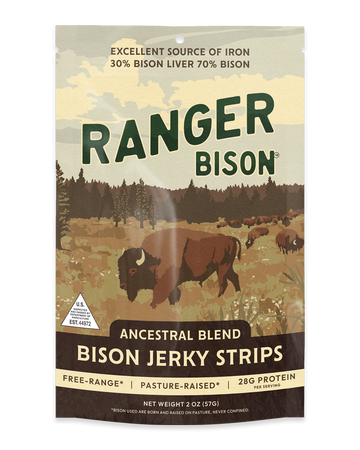
This is honestly the backbone of our entire philosophy at Ranger Bison: Start with a healthy animal, raised on a diverse landscape. Then don't screw up the meat with unnecessary ingredients.